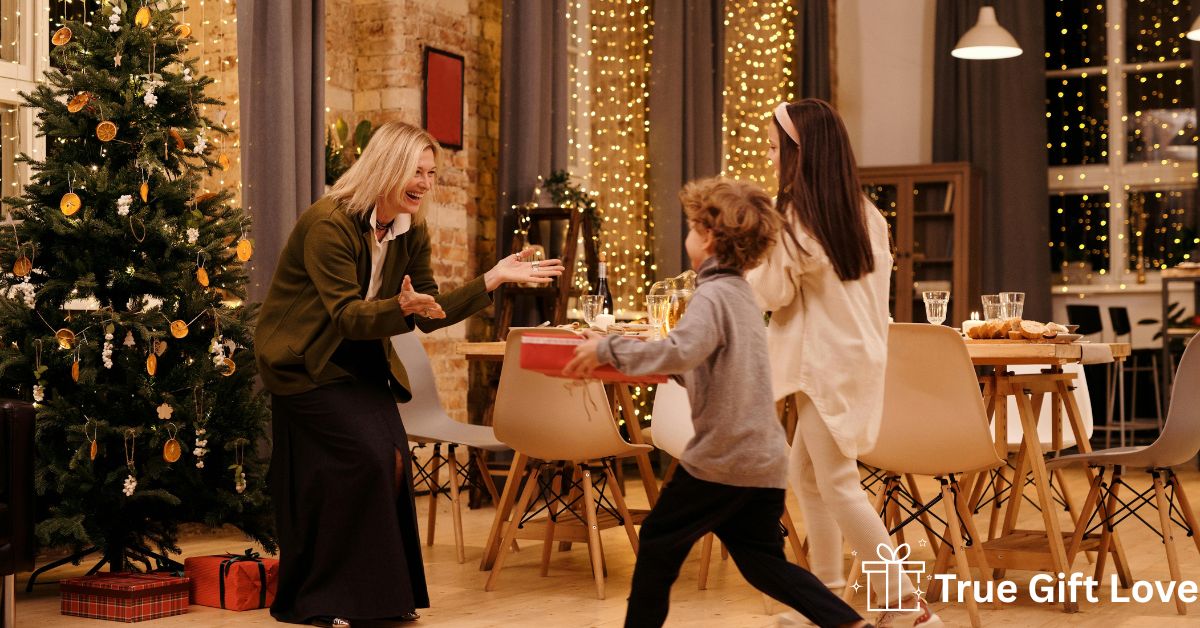
Birthdays are one of childhood’s most magical moments. The anticipation, the candles, the pictures, the decorations, and of course, the presents. But as most parents and relatives already know, buying the best birthday presents for kids is not always simple.
Children today live in a fast-moving world where screens, advertising, and short-term trends can easily distract them. And often the toy that looks flashy on the shelf becomes ignored after two days at home.
This is why choosing meaningful gifts matters.
Kids don’t just remember what they got, they remember how a gift made them feel: proud, curious, surprised, capable, creative, and understood.
As parents, aunts, uncles, older siblings, and family friends, we have the beautiful opportunity to choose gifts that actually support a child’s development, confidence, and joy.
This article will walk through the most meaningful categories of gifts that are loved by kids and are silently beneficial for their growth, so your gift becomes memorable, not forgettable.
What makes a gift genuinely good for kids?
Kids don’t need expensive gifts.
They need meaningful gifts.
From a psychology and parenting perspective, the best birthday presents for kids have these qualities:
-
Child-led play – encourages exploration without adult pressure
-
Curiosity and creativity – sparks imagination and problem-solving
-
Repeated use – fun that lasts beyond the first day
-
Self-expression – helps children explore feelings and ideas
-
Skill-building – supports emotional, social, physical, or early learning growth
-
Independent play – encourages activity without relying solely on screens
-
Memorable impact – creates moments children will treasure
Parents often say: I want the gift to mean something, not just something flashy.
The great thing is that there are gift categories that truly feel fun for kids yet support learning and confidence at the same time.
Let’s explore them.
1) Gifts that spark creativity & imagination
Imaginative play is deeply connected with language development, problem-solving, emotional expression, and self-regulation. When kids create stories, characters, and scenarios, they practice thinking, planning, empathy, and even leadership.
Great category ideas:
-
Pretend play sets – doctor kits, kitchen role-play sets, or animal care sets that inspire storytelling and role-play
-
Construction kits – blocks, building planks, or magnetic tiles that boost creativity, spatial thinking, and fine motor skills
-
Dramatic dress-up outfits – astronaut, chef, firefighter, or superhero costumes for expressive and imaginative play
-
Play tents and fort kits – cozy, creative spaces where toddlers can explore, imagine, and play independently or with friends
-
Open-ended art supplies – finger paints, air-dry clay, or craft boxes that allow free-form creativity and self-expression
-
DIY craft-making sets – bracelets, puppets, or keychains that teach patience, focus, and hands-on skills
These are gifts that help kids create worlds, not just consume entertainment. They are gifts that children grow into instead of outgrowing quickly.
2) STEM gifts that inspire curiosity about how things work
STEM is not just about engineering or coding. STEM is the mindset that says, Let me figure this out.
STEM gifts help kids:
- experiment
- ask questions
- build
- wonder
- break and fix things
- develop grit
Popular category choices:
- beginner robot building kit
- science experiment kit
- crystal growing or rock exploration set
- beginner electronics circuit kit
- puzzle-solving logic games
- Marble Run Engineering Set
These gifts are secretly educational but also deeply fun. Many kids end up spending long hours figuring out how to make something move, connect, light up, or balance.
Parents appreciate STEM gifts because they exercise the brain without feeling like homework.
3) Gifts that build emotional skills & self-expression
This category is incredibly underrated but powerful.
Modern kids need tools to understand and express feelings anxiety, disappointment, excitement, frustration, sadness, confidence, etc.
Emotionally intelligent gifts help them label feelings, create emotional regulation habits, and understand social skills.
Some meaningful gift categories:
- guided journal for kids
- gratitude and mindfulness card deck
- affirmation card sets for confidence
- breathing exercise cards
- storytelling card sets (to express inner experiences)
These types of gifts help kids build emotional resilience, which is one of the strongest predictors of success later in life.
4) Gifts that support active physical play
Body movement is brain development.
Research shows physical play supports concentration, coordination, and emotional stability.
And most kids today need more movement and outdoor play.
Good active gift ideas:
- kick scooter
- balancing board
- jump rope sets
- backyard exploration kits (binoculars, nature study tools)
- beginner sports sets (mini basketball hoop, mini soccer set)
- yoga and stretching mat for kids
These gifts don’t just entertain, they support a healthy lifestyle, physical confidence, and a stable mood.
5) Gifts that support reading, storytelling & language
Books and story-based toys are not boring gifts. They are the foundation of imagination, vocabulary, empathy, and academic strength.
Gift ideas in this area:
- beautifully illustrated story books
- interactive story maps
- joke books or riddle books
- Create your own story card sets
- early comic-making kits
Also, giving books sends a message:
I believe in your mind.
6) Gifts that support music, rhythm & creativity through sound
Music is powerful; it develops memory, coordination, math sense, emotional regulation, and cultural awareness.
Meaningful music gift categories:
- beginner keyboard or piano pad
- kids drum pad set
- ukulele for beginners
- beginner music composition cards
- interactive rhythm games
- beginner percussion instruments (like hand drums and shakers)
Even if a child does not become a musician, musical play enriches neural development and expressive confidence.
7) Gifts that create real memories (experience gifts)
Some of the most powerful gifts for kids aren’t toys—they’re experiences. Kids may forget toys, but they rarely forget special moments.
Here are some meaningful ideas:
-
Zoo trip with a parent – explore animals and nature together
-
Pottery or craft workshop – hands-on creativity and new skills
-
Science museum day – fun, interactive learning and discovery
-
Picnic at a special nature spot – outdoor adventure and quality family time
-
Theatre or puppet show ticket – sparks imagination and storytelling
-
Special one-on-one day with a family member – creates cherished personal memories
An experience gift can even be presented with a handmade “ticket” or envelope, making it feel exciting and magical.
Experience gifts create cherished stories, not clutter.
8) Budget-friendly gifts that still feel meaningful
Great gifts do not need to be expensive.
Budget-friendly ideas that feel valuable:
- sketch pad + drawing pencils
- small craft kit to make friendship bracelets
- puzzle workbook
- small fidget engineering toy
- pack of positive affirmation stickers
- fun notebook with lock
- simple card game
The meaning is in the thought, not the price.
9) Premium gift options
Sometimes a whole family wants to make one grand birthday gift. In that case, premium gifts can be very memorable, but it’s important that they are useful, not decorative.
Premium meaningful categories:
- big backyard play structure
- Beginner digital drawing tablet for kids
- A child-safe camera to take their own photos
- indoor climbing gym bar set
- high-quality modular construction set
If relatives are involved, premium gifts can be planned together so the child receives one meaningful gift rather than seven small, random things.
Final gentle-parenting reminder
The purpose of a gift isn’t to impress the adults at the party—it’s to connect with the child and celebrate who they are.
The most meaningful birthday gifts show a child that you notice and value them:
-
Their interests – the things that make their eyes light up
-
Their personality – what makes them unique and special
-
Their curiosity – what sparks questions, exploration, and wonder
-
Their potential – encouraging growth, learning, and confidence
The best birthday presents for kids help them feel capable, creative, and understood, not pressured, overstimulated, or overwhelmed.
Remember: gifts should support childhood, not fast-forward it. A thoughtful gift is one that inspires play, learning, and connection—moments that last far longer than any toy on a shelf.
Conclusion
Choosing the best birthday presents for kids doesn’t have to be stressful. When we focus on meaning, skill-building, creativity, and joy—rather than hype or trends—gift-giving becomes simple and truly joyful.
The greatest gift we can give children is the message:
You matter. Your imagination matters. Your feelings matter. Your growth matters.
A gift is more than an object; it is a moment of love, connection, and belief in the amazing person a child is becoming. Thoughtful presents create memories, inspire learning, and show children that they are truly seen and valued.
The best gifts are often creative kits, STEM experiment sets, musical instruments, art supplies, and experience gifts like museum visits. These options encourage learning, imagination, and emotional growth. Focus on universal interests like creativity, active play, music, or reading. Consider gifts that spark curiosity and can be enjoyed in multiple ways rather than trend-based items. Yes! Experiences like zoo trips, workshops, or craft classes can be tailored by age, making them memorable and meaningful for toddlers through teens. Budget-friendly options include drawing or craft kits, puzzle books, small science kits, board games, and DIY kits for creative play. Include a personal touch, like a handwritten note, a fun “ticket” for an experience, or a gift that supports their interests and imagination. Absolutely! When presented as games, experiments, or creative building activities, STEM gifts combine learning with play, keeping children engaged for hours.FAQs About the Best Birthday Presents for Kids